Complete Nutrition Guide

Learn about nutritional variety with evidence-based information, practical meal planning tips, and helpful insights from Chunloreoechul.

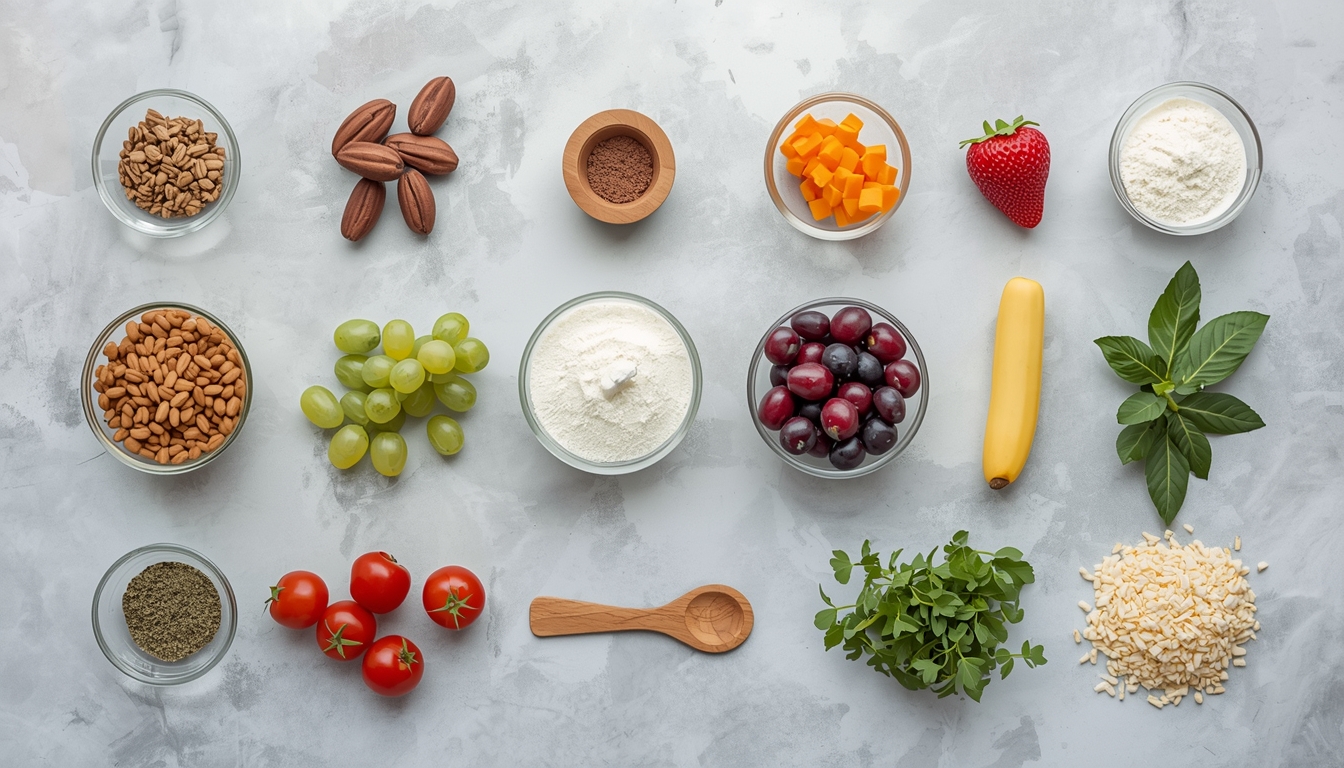
Balanced diet components illustration

Understanding Food Groups

A balanced approach to nutrition begins with recognizing the five major food groups and their unique contributions to your health. Each group provides specific nutrients that your body cannot produce independently.

Vegetables and fruits deliver vitamins, minerals, and fiber while being naturally low in calories. Whole grains provide sustained energy through complex carbohydrates and B vitamins. Protein sources build and repair tissues, while dairy or alternatives supply calcium for bone health.

The key to nutritional variety lies in rotating choices within each group rather than eating the same foods repeatedly. This rotation maximizes nutrient diversity and prevents dietary monotony.
Weekly Meal Planning Strategies

Practical approaches to ensure nutritional variety throughout your week.

Color Rotation Method

Assign different color themes to each day of the week. Monday might focus on green vegetables, Tuesday on orange and yellow produce, Wednesday on red foods, and so forth. This simple system ensures you consume diverse phytonutrients naturally.

Cultural Cuisine Exploration

Dedicate each week to exploring a different cultural cuisine. Mediterranean, Asian, Nordic, and Latin American traditions offer unique ingredient combinations and preparation methods that expand your nutritional repertoire significantly.

Seasonal Eating Patterns

Align your meal planning with seasonal availability in Finland. Spring brings fresh greens and herbs, summer offers abundant berries, autumn provides root vegetables, and winter features stored grains and preserved foods.

Protein Source Diversity

Alternate between animal and plant-based proteins throughout the week. Include fish twice, poultry once, legumes twice, and experiment with tofu, tempeh, or seitan for remaining meals to achieve complete amino acid profiles.

Nutrient Timing and Combinations

Optimize absorption and utilization through strategic food pairing.

Iron and Vitamin C

Combine iron-rich foods like spinach or lentils with vitamin C sources such as bell peppers or citrus fruits. This pairing can help enhance iron absorption, particularly important for plant-based iron sources.

Healthy Fats with Vegetables

Fat-soluble vitamins A, D, E, and K require dietary fat for absorption. Adding olive oil, avocado, or nuts to salads and vegetable dishes can help maximize nutrient uptake from your meals.

Protein Distribution

Distributing protein intake evenly across meals rather than concentrating it at dinner can support muscle protein synthesis throughout the day and help maintain steady energy levels.

Overcoming Common Barriers

Many people struggle to maintain nutritional variety due to time constraints, budget limitations, or simple habit patterns. At chunloreoechul, we recognize these challenges and offer practical solutions.

Batch cooking on weekends allows you to prepare diverse base ingredients that can be combined differently throughout the week. Frozen vegetables and fruits retain nutritional value while offering convenience and reducing waste.

Start small by introducing one new food item weekly rather than overhauling your entire diet simultaneously. This gradual approach builds sustainable habits without overwhelming your routine or budget.

View Our Products
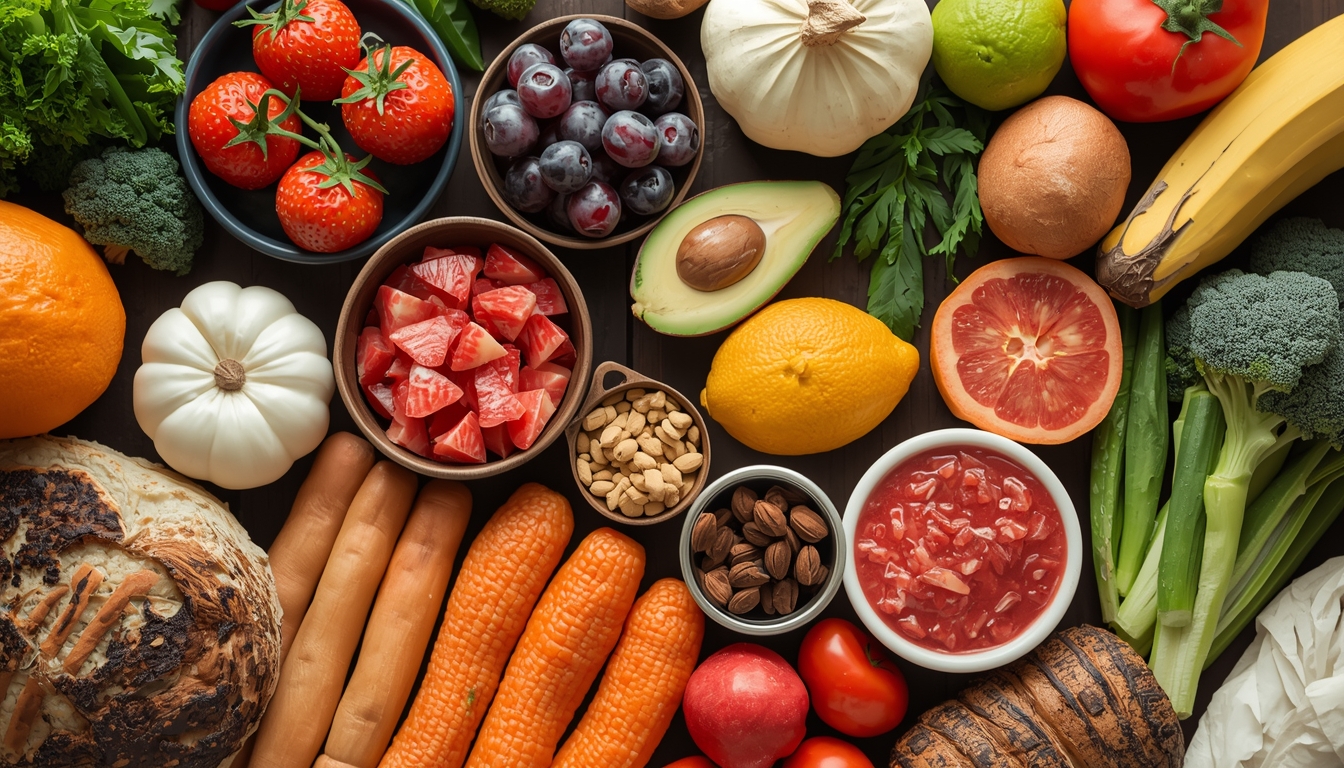
Various nutritious food options

Hydration and Beverage Variety

Diversifying your fluid intake contributes to overall nutritional variety.

Herbal Tea Benefits

Different herbal teas provide unique bioactive compounds. Chamomile may offer calming properties, peppermint can aid digestion, and rooibos delivers antioxidants. Rotating tea varieties adds both flavor and variety to your hydration routine.

Infused Water Options

Enhance plain water with cucumber, berries, citrus, or herbs. These natural infusions provide subtle flavors and trace nutrients while encouraging adequate hydration without added sugars or artificial ingredients.

Mindful Eating Practices

Enhance your relationship with food through conscious consumption.

Slow Down

Eating slowly allows your body to register fullness signals and can improve digestion. Take time to appreciate the colors, textures, and flavors of diverse foods on your plate.

Visual Appreciation

Before eating, observe the variety on your plate. A colorful, diverse presentation indicates nutritional completeness and enhances the eating experience through visual stimulation.

Gratitude Practice

Acknowledge the journey of your food from farm to table. This mindfulness practice deepens your connection to nutrition and encourages thoughtful food choices.

Get Personalized Guidance

Ready to learn more about nutrition? Connect with Chunloreoechul today.

Contact Us